Body care

Summer is here

February 28, 2025

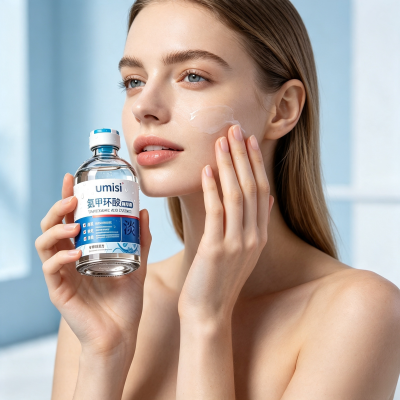
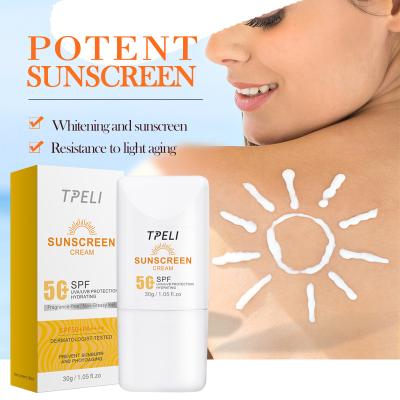
Light and transparent sunscreen, whitening and moisturizing SPF50+/PA++++effectively protects against UVA/UVB To prevent skin tanning and sunburn, slow down photoaging, improve skin pigmentation and pale spots, enjoy bright and fair skin, moisturize and moisturize, gently soothe skin discomfort, light and breathable: velvet texture, comfortable skin feeling, refreshing and breathable without stickiness, effectively modify skin tone, conceal blemishes, waterproof and sweat proof formula, providing effective protection for the skin.

Read More

OEM vs ODM Cosmetics: What's the Difference and Which Is Right for Your Beauty Brand?

July 10, 2026

OEM vs ODM Cosmetics: What's the Difference and Which Is Right for Your Beauty Brand? The global beauty industry is growing rapidly, and more entrepreneurs, retailers, and established companies are launching their own skincare and cosmetic brands. One of the first decisions every brand owner faces is choosing between OEM (Original Equipment Manufacturing) and ODM (Original Design Manufacturing). Although these two manufacturing models are often mentioned together, they serve different business needs. Understanding the differences can help you choose the right partner, reduce development costs, and bring your products to market more efficiently. What Is OEM Cosmetics? OEM (Original Equipment Manufacturing) means that a cosmetic manufacturer produces products based on the customer's own specifications. In an OEM project, the brand typically provides its own formula, product requirements, packaging design, or product concept. The manufacturer is responsible for sourcing raw materials, manufacturing the products, filling, packaging, and ensuring quality control. OEM is ideal for brands that: Already have their own product formulations. Want exclusive products that are not available to competitors. Have an experienced R&D team or work with cosmetic chemists. Require complete control over product development. Advantages of OEM Cosmetics Exclusive formulations and unique products. Greater flexibility in ingredient selection. Stronger brand differentiation. Better intellectual property protection. Suitable for premium and professional beauty brands. However, OEM projects generally require longer development times and higher investment because custom formulations must be tested, optimized, and validated before production. What Is ODM Cosmetics? ODM (Original Design Manufacturing) allows brands to use existing formulations developed by the manufacturer while customizing the packaging, branding, fragrance, texture, or minor product features. This model significantly shortens the product development cycle because the formulations have already been researched, tested, and proven in production. ODM is an excellent option for: Start-up beauty brands. Amazon and e-commerce sellers. Distributors and wholesalers. Companies looking for a faster market launch. Businesses with limited product development experience. Advantages of ODM Cosmetics Faster time to market. Lower development costs. Proven and stable formulations. Lower minimum order quantities (depending on the manufacturer). Easier product launches. For many new brands, ODM provides an efficient way to introduce high-quality products without investing heavily in formulation research. OEM vs ODM: What's the Difference? Feature OEM ODM Formula Customer-owned Manufacturer-developed Product Development Fully customized Existing formulation Development Time Longer Shorter Cost Higher Lower Exclusivity High Moderate Best For Established brands Startups & growing brands Which Manufacturing Model Is Right for You? The right choice depends on your business goals. If your priority is creating a unique, proprietary skincare or cosmetic product with exclusive ingredients and complete formulation control, OEM manufacturing is the better option. If your goal is launching products quickly, minimizing development costs, and testing the market with proven formulations, ODM manufacturing offers a faster and more cost-effective solution. Many successful beauty brands begin with ODM products and later transition to OEM formulations as their business grows. How UMISI Supports Your Beauty Brand At UMISI Beauty Co., Ltd., we provide both OEM and ODM cosmetic manufacturing services to customers worldwide. Whether you are creating a completely new product or selecting from our proven formulations, our experienced team supports every stage of the process—from product development and packaging design to manufacturing, quality control, and global export. Our services include: OEM Cosmetic Manufacturing ODM Cosmetic Manufacturing Private Label Cosmetics Custom Formula Development Skincare Products Makeup Products Packaging Solutions Regulatory Support Low MOQ Options Global Export Services Our mission is to help beauty brands transform ideas into successful products with reliable manufacturing, innovative formulations, and consistent quality. Final Thoughts Choosing between OEM and ODM is an important strategic decision for any beauty brand. Both models offer unique advantages, and the best option depends on your budget, timeline, product strategy, and long-term business goals. By partnering with an experienced cosmetic manufacturer, you can streamline product development, maintain high-quality standards, and focus on building a successful brand in today's competitive beauty market. If you are looking for a trusted OEM/ODM cosmetic manufacturer in China, UMISI Beauty Co., Ltd. is ready to help you develop innovative skincare and cosmetic products tailored to your business needs. Ready to launch your beauty brand? Contact UMISI today and let's create products your customers will love.

Read More

How to Start Your Own Skincare Brand: A Step-by-Step Guide

July 11, 2026

How to Start Your Own Skincare Brand: A Step-by-Step Guide The global skincare industry continues to grow as consumers seek high-quality, effective, and innovative beauty products. From facial cleansers and serums to moisturizers and body care, the demand for skincare solutions has created exciting opportunities for entrepreneurs and beauty businesses worldwide. If you've ever dreamed of launching your own skincare brand, you don't need to own a factory or have a chemistry background. By partnering with a reliable OEM/ODM cosmetic manufacturer, you can bring your ideas to market faster and more efficiently. In this guide, we'll walk you through the essential steps to building a successful skincare brand. Step 1: Define Your Brand Identity Every successful skincare brand starts with a clear vision. Ask yourself: Who is your target audience? What problem does your product solve? What makes your brand unique? What values do you want your brand to represent? Whether you focus on clean beauty, anti-aging, vegan skincare, luxury products, or affordable everyday essentials, having a strong brand identity will guide every decision that follows. Step 2: Research Your Market Before developing products, take time to understand your market. Research: Current skincare trends Best-selling product categories Consumer preferences Competitor pricing Packaging styles Popular ingredients Consumers today are increasingly interested in ingredients such as hyaluronic acid, niacinamide, ceramides, peptides, vitamin C, and botanical extracts. Staying informed about market trends can help you identify opportunities and position your brand more effectively. Step 3: Choose the Right Products You don't need a large product range to get started. Many successful brands launch with just three to five hero products, such as: Facial Cleanser Vitamin C Serum Hyaluronic Acid Moisturizer Sunscreen Face Mask Starting with a focused product line allows you to manage costs while building brand recognition. Step 4: Decide Between OEM and ODM Manufacturing One of the most important decisions is selecting the right manufacturing model. OEM (Original Equipment Manufacturing) allows you to develop custom formulations based on your own specifications. This option is ideal for brands seeking exclusive products and long-term differentiation. ODM (Original Design Manufacturing) enables you to select proven formulations developed by the manufacturer and customize the branding and packaging. This is a faster and more cost-effective option for startups and growing businesses. Choosing the right manufacturing partner is essential for product quality, regulatory compliance, and long-term success. Step 5: Design Your Packaging Packaging is often the first impression customers have of your brand. A well-designed package should: Reflect your brand identity Protect the product Be easy to use Meet regulatory labeling requirements Appeal to your target customers Many OEM/ODM manufacturers also provide packaging recommendations and sourcing support to simplify the development process. Step 6: Ensure Regulatory Compliance Before selling your products, make sure they comply with the regulations in your target market. Depending on where you plan to sell, you may need to meet requirements related to: Ingredient safety Product testing Labeling Claims and marketing language Product registration or notification Working with an experienced cosmetic manufacturer can help ensure your products meet the necessary regulatory standards. Step 7: Build Your Online Presence A professional online presence is essential for attracting customers. Your marketing strategy may include: A branded website Social media platforms TikTok and Instagram videos Influencer collaborations Email marketing Search engine optimization (SEO) High-quality product photography, educational content, and authentic customer engagement can help build trust and increase brand awareness. Step 8: Choose a Reliable Manufacturing Partner Your manufacturer is more than a supplier—they are a long-term business partner. Look for a manufacturer that offers: OEM & ODM services Strong R&D capabilities Strict quality control Flexible minimum order quantities Regulatory support Reliable production capacity International export experience A trusted manufacturing partner can help you reduce risks, improve efficiency, and scale your business as demand grows. Why Choose UMISI? At UMISI Beauty Co., Ltd., we help beauty entrepreneurs and established brands transform ideas into market-ready skincare products. Our comprehensive OEM/ODM services include: Custom Formula Development Private Label Skincare OEM & ODM Manufacturing Packaging Design Support Quality Control Regulatory Documentation Assistance Global Export Services Whether you're launching your first skincare product or expanding an existing product line, our experienced team is committed to delivering high-quality manufacturing solutions tailored to your business goals. Final Thoughts Starting a skincare brand is an exciting journey that combines creativity, market insight, and strategic planning. By understanding your target audience, selecting the right products, and partnering with an experienced OEM/ODM manufacturer, you can build a brand that stands out in today's competitive beauty industry. Success doesn't happen overnight, but with the right strategy and the right manufacturing partner, your skincare brand can grow into a trusted name that customers love. Ready to create your own skincare brand? Contact UMISI today to explore our OEM/ODM and private label skincare solutions and bring your vision to life.

Read More

How to Choose the Right Cosmetic Manufacturer in China

July 18, 2026

How to Choose the Right Cosmetic Manufacturer in China China has become one of the world's leading hubs for cosmetic manufacturing, supplying skincare and beauty products to brands across North America, Europe, the Middle East, Southeast Asia, and beyond. With thousands of manufacturers available, choosing the right partner can be challenging—especially if you're launching a new beauty brand or expanding your product portfolio. A reliable cosmetic manufacturer is more than just a supplier. They play a critical role in product quality, innovation, regulatory compliance, and the long-term success of your brand. In this guide, we'll explore the key factors you should consider when selecting a cosmetic manufacturer in China. 1. Look for Experience and Industry Expertise Experience matters in cosmetic manufacturing. An established manufacturer understands market trends, formulation development, international regulations, and production processes. They are also better equipped to solve technical challenges and support product innovation. When evaluating a manufacturer, consider: Years of manufacturing experience Product categories offered Export experience Existing international customers Research and development capabilities A manufacturer with broad industry knowledge can provide valuable guidance throughout your product development journey. 2. Evaluate OEM and ODM Capabilities Different brands have different needs. If you already have your own formula and product specifications, you'll need an OEM (Original Equipment Manufacturing) partner capable of producing according to your requirements. If you're looking to launch products quickly using proven formulations, an ODM (Original Design Manufacturing) partner can provide ready-to-market solutions that can be customized with your own branding and packaging. Choosing a manufacturer that offers both OEM and ODM services gives your business greater flexibility as it grows. 3. Verify Quality Control Standards Product quality directly affects customer satisfaction and brand reputation. A professional cosmetic manufacturer should have a comprehensive quality management system covering every stage of production, including: Raw material inspection Formula verification Production monitoring Filling and packaging inspection Finished product testing Batch traceability Consistent quality control helps ensure every product meets agreed specifications and applicable regulatory requirements. 4. Assess Research and Development Capabilities Innovation is one of the biggest competitive advantages in today's beauty industry. An experienced R&D team can help you: Develop custom formulations Improve existing products Recommend trending ingredients Optimize product performance Adapt formulas for different markets Manufacturers with strong R&D capabilities can also help brands respond more quickly to changing consumer trends. 5. Check Manufacturing Facilities Modern production facilities reflect a manufacturer's ability to produce high-quality products consistently. Consider asking about: Production equipment Manufacturing capacity Cleanroom environments Filling lines Laboratory facilities Production management systems If possible, request a virtual factory tour or visit the facility in person to better understand the manufacturer's operations. 6. Review Product Customization Options Every beauty brand wants to stand out. A good cosmetic manufacturer should provide flexible customization services, including: Formula customization Fragrance selection Texture adjustment Packaging recommendations Label design support Private label solutions The more customization options available, the easier it is to build a unique product line. 7. Understand Regulatory Support Cosmetic regulations vary across different countries and regions. An experienced manufacturer should be able to provide documentation and technical support to help facilitate product compliance for your target market. This may include: Ingredient documentation Product specifications Safety information Stability testing reports Manufacturing records Working with a knowledgeable manufacturer can help simplify the export process and reduce potential compliance risks. 8. Consider Communication and Customer Service Effective communication is essential for successful cooperation. Choose a manufacturer that responds promptly, provides clear information, and keeps you updated throughout the development and production process. Strong communication helps avoid misunderstandings, improve efficiency, and build long-term partnerships. 9. Balance Cost with Value While competitive pricing is important, the lowest price is not always the best choice. Instead of focusing only on manufacturing costs, evaluate the overall value your partner provides, including: Product quality R&D expertise Production reliability Lead time Customer support Long-term cooperation A dependable manufacturer can help reduce costly mistakes and contribute to your brand's long-term success. Why Choose UMISI? At UMISI Beauty Co., Ltd., we are committed to helping beauty brands bring innovative skincare and cosmetic products to market with confidence. Our comprehensive services include: OEM & ODM Cosmetic Manufacturing Private Label Skincare & Cosmetics Custom Formula Development Skincare, Body Care, and Makeup Products Packaging Design Support Strict Quality Control Regulatory Documentation Assistance Flexible MOQ Options Global Export Services With an experienced R&D team, advanced production facilities, and a customer-focused approach, UMISI works closely with brands around the world to deliver high-quality cosmetic solutions tailored to their unique business goals. Final Thoughts Choosing the right cosmetic manufacturer in China is one of the most important decisions for any beauty brand. The ideal partner should combine technical expertise, reliable manufacturing, strong quality control, flexible customization, and excellent customer service. Whether you're launching your first skincare line or expanding an established beauty brand, working with an experienced OEM/ODM manufacturer can help you shorten development timelines, maintain consistent quality, and bring innovative products to market more efficiently. If you're looking for a trusted cosmetic manufacturing partner in China, UMISI Beauty Co., Ltd. is ready to support your next project—from concept and formulation to production and global delivery. Contact UMISI today to discuss your OEM, ODM, or private label skincare project and discover how we can help grow your beauty brand.

Read More

How Do I Start My Own Cosmetic Product? A Complete Guide to Launching Your Beauty Brand

July 28, 2026

Starting your own cosmetic product can be an exciting opportunity to build a unique beauty brand and enter the fast-growing cosmetics market. However, many entrepreneurs have the same question: “How do I start my own cosmetic product?” From choosing the right product concept to finding a reliable manufacturer, every step plays an important role in creating a successful beauty product. This guide will walk you through the key steps of developing your own cosmetics brand with the support of a professional OEM/ODM manufacturer. 1. Define Your Product Concept and Brand Positioning Before creating a cosmetic product, you need to clearly define your brand vision. Ask yourself: Who are your target customers? What skin concerns or beauty needs do you want to solve? What makes your product different from competitors? What market do you want to enter? For example, your brand could focus on: Natural skincare Luxury makeup Clean beauty Anti-aging solutions Professional makeup products Affordable daily beauty products A clear product concept helps manufacturers understand your goals and recommend suitable formulas, ingredients, and packaging solutions. 2. Choose the Cosmetic Products You Want to Develop The next step is deciding which products you want to launch. Popular private label cosmetic products include: Skincare Products Facial cleanser Serum Moisturizer Face cream Sunscreen Sheet mask Body care products Makeup Products Foundation Concealer Lipstick Lip gloss Mascara Eyeliner Eyeshadow Blush Personal Care Products Shower gel Shampoo Hair treatment products Body lotion For new brands, starting with one or a few hero products is usually a good strategy. A strong signature product can help establish your brand identity. 3. Find a Reliable OEM/ODM Cosmetics Manufacturer Choosing the right manufacturing partner is one of the most important decisions when starting a cosmetic brand. A professional OEM/ODM cosmetics manufacturer can help you with: Product formulation Ingredient selection Product testing Packaging sourcing Label printing Mass production Quality control Export support When evaluating a manufacturer, consider: Manufacturing Experience Check whether the factory has experience producing similar products and serving international markets. Product Development Capability A good manufacturer should have an experienced R&D team that can customize formulas according to your requirements. Quality Management Make sure the factory follows strict quality control procedures throughout production. 4. Customize Your Formula and Product Features One of the biggest advantages of working with an OEM/ODM manufacturer is product customization. You can customize: Formula texture Ingredients Fragrance Color shades Product performance Product positioning For example: A foundation product can be customized with: Different coverage levels Matte or dewy finish Different undertones Various shades for different skin tones A skincare product can be customized based on: Hydration Brightening Anti-aging Soothing Oil control Your manufacturer will help transform your product idea into a finished formula. 5. Select Suitable Packaging for Your Brand Packaging is an important part of your brand identity. Customers often judge a product by its appearance before trying it. You can choose: Stock packaging with your logo Customized packaging design Premium packaging materials Different bottle, tube, or jar styles A professional manufacturer can provide packaging recommendations based on: Product compatibility Target market Budget Brand positioning 6. Request Samples and Test the Product Before mass production, sample testing is an essential step. During the sample stage, you can evaluate: Product texture Color Fragrance Packaging appearance User experience You can provide feedback and request adjustments until the product meets your expectations. This process helps ensure that the final product matches your brand vision. 7. Confirm MOQ, Pricing, and Production Details Before placing an order, discuss important details with your manufacturer: Minimum Order Quantity (MOQ) Product cost Packaging cost Production time Shipping method Payment terms MOQ depends on different factors, including: Product category Formula customization Packaging requirements Order quantity A professional manufacturer will provide a clear quotation and production plan. 8. Prepare for Production and Launch Your Brand After confirming the formula, packaging, and order details, the manufacturer will begin mass production. During production, your products will go through: Raw material inspection Production process control Filling and packaging Quality inspection Final shipment preparation After receiving your products, you can start: Online store sales Social media marketing Influencer partnerships Retail distribution What Information Should You Send to a Cosmetic Manufacturer? To get an accurate quotation and professional advice, prepare the following information: 1. Product Type Example: “I want to develop a liquid foundation and concealer.” 2. Target Quantity Example: “I plan to order 5,000 pieces.” 3. Formula Requirements Example: “I need a lightweight, long-lasting formula with high coverage.” 4. Packaging Ideas Example: “I prefer luxury glass packaging with my logo.” 5. Target Market Example: “My target market is Australia / USA / Europe.” The more details you provide, the better your manufacturer can support your project. Start Your Cosmetic Brand with Umisi Beauty Launching your own cosmetic product does not have to be complicated. With the support of an experienced OEM/ODM partner, you can turn your beauty ideas into real products. Umisi Beauty Co., Ltd provides complete private label cosmetics solutions, from product development and packaging selection to manufacturing and global delivery. Whether you are creating skincare, makeup, or personal care products, our team can help you build products that match your brand vision. Ready to start your cosmetic product? Send us your requirements: Product type Target quantity Formula requirements Packaging ideas Target market Our team will help you with the next steps.

Read More

Can I Customize My Cosmetic Formula? | OEM ODM Cosmetics Manufacturer

July 29, 2026

Can I Customize My Cosmetic Formula? Understanding Custom Formulation and Formula Protection When launching a new beauty brand, many entrepreneurs want their products to be different from existing products in the market. A common question we receive is: “Can I customize my cosmetic formula?” Another important concern is: “If I invest in developing a unique formula, can you guarantee that the same formulation will not be supplied to other brands?” The answer depends on the type of formulation development and the agreement between the brand and the manufacturer. In this article, we will explain how cosmetic formula customization works and how brands can protect their unique product concepts. What Is a Custom Cosmetic Formula? A custom formula is a cosmetic formulation developed according to a brand’s specific requirements. Unlike standard private label products that use existing formulas, a custom formulation allows brands to create products with unique characteristics, including: Different textures Special ingredients Specific product functions Unique sensory experience Customized fragrance Customized colors Different performance requirements For example, a brand may want: A lightweight foundation with high coverage and a natural finish A skincare serum with specific active ingredients A moisturizing cream designed for dry skin A lipstick with a special texture and long-lasting effect A professional OEM/ODM cosmetics manufacturer can help turn these ideas into a finished product. What Can Be Customized in a Cosmetic Formula? Depending on the product category, customization options may include: 1. Ingredients Brands can select ingredients based on their product positioning. Examples: Botanical extracts Vitamins Hyaluronic acid Peptides Natural oils Functional active ingredients The manufacturer’s R&D team will evaluate ingredient compatibility and develop a stable formula. 2. Texture and Feel Texture is an important factor that influences customer experience. You can customize: Lightweight or rich texture Fast absorption Matte or dewy finish Creamy or powdery feel Smooth application For makeup products, texture customization is especially important. For example: A foundation can be developed with: Full coverage Medium coverage Natural finish Matte finish Long-lasting performance 3. Product Performance Brands can define the product goals they want to achieve. Examples: Skincare: Hydrating Brightening Anti-aging Soothing Oil control Makeup: High pigmentation Long wear Waterproof performance Comfortable application How Does Custom Formula Development Work? The typical development process includes: Step 1: Share Your Product Concept Provide information such as: Product type Target customers Desired effects Preferred ingredients Market requirements The manufacturer will analyze your requirements and suggest possible solutions. Step 2: Formula Development The R&D team creates initial samples based on your requirements. The formula may go through several adjustments, including: Texture improvement Performance optimization Stability testing Sensory evaluation Step 3: Sample Testing and Approval The brand reviews the samples and provides feedback. Adjustments can be made until the product meets your expectations. Step 4: Mass Production After formula approval, the product moves into production. The manufacturer will follow quality control procedures to ensure consistency between samples and final products. Will My Custom Formula Be Exclusive? This is one of the most important questions for brands investing in product development. When a brand invests in developing a unique formula, they naturally want to protect their product concept and avoid having the same product appear under another brand. At Umisi Beauty, we understand the importance of product uniqueness and brand differentiation. For customized formulations, brands can discuss formula exclusivity agreements and protection terms based on their project requirements. What Factors Determine Formula Exclusivity? Formula exclusivity usually depends on several factors: 1. Level of Customization A completely new formula developed specifically for one brand has a higher level of exclusivity compared with a modified existing formula. For example: Standard Formula Existing formula Small adjustments Lower development cost Custom Formula Developed according to specific requirements More R&D investment Higher level of uniqueness 2. Development Investment Developing a unique formula requires: R&D time Raw material testing Stability testing Technical resources Brands that invest in exclusive formula development can discuss stronger protection options with the manufacturer. 3. Agreement Between Brand and Manufacturer Formula ownership and exclusivity terms should be clearly discussed before development begins. Important points may include: Whether the formula can be offered to other customers Exclusivity period Formula ownership Confidentiality requirements A clear agreement helps protect both the brand and the manufacturer. Why Choose an OEM/ODM Partner with Strong R&D Capability? A reliable cosmetic manufacturer does more than produce products. A professional OEM/ODM partner provides: Formula development support Technical expertise Quality control Packaging solutions Production management Export support The right partner helps your brand create products that are competitive and unique in the market. Start Developing Your Custom Cosmetic Formula with Umisi Beauty Creating a unique cosmetic product requires the right idea, the right formula, and the right manufacturing partner. Umisi Beauty Co., Ltd provides professional OEM and ODM services for skincare, makeup, and personal care products. Our team supports brands with: Custom formula development Private label cosmetics Packaging solutions Product manufacturing Global export services If you are planning to develop your own cosmetic product, send us your requirements: Product type Target quantity Formula requirements Packaging ideas Target market Our team will help you create a product that matches your brand vision.

Read More

African Black Soap: Benefits, Ingredients, and Why It Is Becoming a Global Skincare Trend

August 8, 2026

African Black Soap: Benefits, Ingredients, and Why It Is Becoming a Global Skincare Trend African Black Soap has gained increasing popularity in the global beauty market due to its natural ingredients, traditional heritage, and multifunctional skincare benefits. From Africa to beauty markets worldwide, more consumers are looking for natural, gentle, and effective skincare solutions — making African Black Soap a popular choice for private label skincare brands. As a professional cosmetics OEM/ODM manufacturer, Umisi provides customized African Black Soap solutions to help brands develop unique products with their own formulas, packaging, and branding. What Is African Black Soap? African Black Soap, also known as African Soap or Black Soap, is a traditional skincare product originating from West Africa. It is traditionally made using natural plant-based ingredients such as cocoa pod ash, plantain peel ash, palm oil, coconut oil, and shea butter. The unique dark color of African Black Soap comes from the natural processing of plant materials rather than artificial colorants. Its rich botanical ingredients make it a popular choice for customers who prefer natural and traditional skincare products. Key Ingredients of African Black Soap The formulation of African Black Soap may vary depending on the region and manufacturer, but common ingredients include: Cocoa Pod Ash Cocoa pod ash is traditionally used in African Black Soap production and helps create the characteristic color and texture of the soap. Plantain Peel Ash Plantain peel ash contains natural minerals and is an important traditional ingredient in many African Black Soap formulas. Shea Butter Shea butter is widely recognized in skincare for its moisturizing and nourishing properties, helping support a soft and smooth skin feeling. Coconut Oil and Palm Oil These natural oils contribute to the cleansing ability and create a rich, creamy lather. Benefits of African Black Soap for Skin African Black Soap is loved by many skincare users because of its natural ingredients and versatile applications. 1. Deep Cleansing African Black Soap helps remove dirt, excess oil, and impurities from the skin, making it suitable for daily cleansing routines. 2. Helps Improve Skin Appearance With its plant-based ingredients, African Black Soap is often used by consumers who want a cleaner and more balanced-looking complexion. 3. Moisturizing and Nourishing Care Formulas containing shea butter and natural oils provide a comfortable skin feel and help prevent dryness after cleansing. 4. Suitable for Different Skin Types Depending on the formula, African Black Soap can be developed for various customer needs, including oily skin, dry skin, sensitive skin, and body care applications. Why African Black Soap Is Trending in the Global Beauty Market The demand for natural and clean beauty products continues to grow worldwide. Consumers are increasingly interested in: Natural ingredients Traditional skincare solutions Sustainable beauty concepts Products with cultural stories and heritage African Black Soap fits perfectly into these trends, making it an attractive product for skincare entrepreneurs and beauty brands. Private Label African Black Soap Manufacturing For brands looking to launch their own African Black Soap line, choosing the right manufacturer is essential. Umisi supports global beauty brands with: Custom African Black Soap formulas Private label services Customized packaging solutions Product development support OEM and ODM manufacturing Whether you want to create traditional African Black Soap, liquid black soap, body wash, or upgraded skincare products, our experienced team can help transform your idea into a market-ready product. Start Your African Black Soap Brand with Umisi African Black Soap combines traditional beauty wisdom with modern skincare trends. With growing demand for natural skincare products, it offers an excellent opportunity for new and established beauty brands. If you are looking for a reliable African Black Soap OEM/ODM partner, Umisi is ready to support your product development from concept to production. Contact Umisi today to create your customized African Black Soap product.

Read More

The Future of Color Cosmetics: Makeup Trends and OEM Opportunities for Beauty Brands

August 18, 2026

The Future of Color Cosmetics: Makeup Trends and OEM Opportunities for Beauty Brands The global color cosmetics market is continuously evolving. Today’s consumers are not only looking for beautiful makeup effects but also expecting better formulas, skincare benefits, convenience, and personalized beauty experiences. From foundation and concealer to lipstick, eyeshadow, blush, and highlighter, innovative makeup products are creating new opportunities for beauty brands worldwide. For entrepreneurs and established brands, choosing an experienced cosmetics OEM/ODM manufacturer is becoming a key factor in launching successful products. 1. Makeup Products Are Becoming More Skin-Friendly One of the biggest trends in modern cosmetics is the combination of makeup and skincare. Consumers want makeup products that provide both beauty effects and skincare benefits. Products such as: Hydrating foundation Serum foundation Moisturizing concealer Treatment lip products Cream blush with skincare ingredients are becoming increasingly popular. Today’s makeup is no longer only about coverage or color — consumers want lightweight textures, comfortable application, and formulas that support healthy-looking skin. 2. High-Performance Foundation and Base Makeup Continue to Grow Complexion products remain one of the most important categories in color cosmetics. Modern consumers are looking for: Natural skin-like finishes Long-lasting wear Buildable coverage Lightweight textures Multiple shades for different skin tones Foundation, cushion foundation, BB cream, CC cream, and concealer products are continuously evolving to meet diverse consumer needs. For beauty brands, developing a high-quality base makeup collection with suitable shades and textures can create strong market opportunities. 3. Personalized and Inclusive Beauty Is the Future Beauty consumers around the world have different skin tones, preferences, and lifestyles. Successful makeup brands are focusing on: More inclusive shade ranges Different skin undertone options Customized textures and finishes Products designed for specific markets A professional OEM/ODM partner can help brands develop customized formulas and color systems based on their target customers. 4. Creative Colors and Unique Makeup Styles Are Returning While natural makeup remains popular, consumers are also showing more interest in creativity and self-expression. Color cosmetics are seeing renewed attention through: Bold eyeshadow palettes Metallic and shimmer finishes Glossy lip products Colorful eyeliners Multi-use makeup products Social media platforms continue to influence makeup trends, allowing new brands to introduce creative products and quickly connect with global audiences. 5. Clean Beauty and Ingredient Transparency Matter More Consumers are paying closer attention to product ingredients and brand values. Modern makeup brands are focusing on: Clean beauty concepts Vegan-friendly formulas Sustainable packaging Transparent ingredient information Brands that combine attractive design with reliable formulas are more likely to build long-term customer trust. Why Choose an OEM/ODM Makeup Manufacturer? Launching a makeup brand requires more than an idea. A professional manufacturing partner can support: Formula Development Create customized lipstick, foundation, eyeshadow, blush, concealer, and other makeup formulas. Packaging Solutions Provide professional packaging sourcing and customization options according to brand positioning. Color Development Help develop shades, pigments, and finishes suitable for different markets. Production & Quality Control Ensure stable production processes and consistent product quality. Build Your Makeup Brand with Umisi Umisi provides professional OEM and ODM cosmetic manufacturing services for global beauty brands. Our capabilities include: Lipstick and lip gloss Foundation and concealer Eyeshadow and eye makeup Blush and highlighter Makeup sets and customized beauty collections From product concept to final production, Umisi helps brands create competitive color cosmetics for the global market. Conclusion The future of color cosmetics is driven by innovation, personalization, and high-performance formulas. Brands that understand consumer needs and work with experienced manufacturers can create products that stand out in a competitive beauty market. Whether you are launching a new makeup brand or expanding your existing collection, Umisi is ready to support your beauty journey with professional OEM and ODM solutions.

Read More

How to Choose a Reliable Cosmetics OEM Manufacturer in China: A Complete Guide for Beauty Brands

August 20, 2026

How to Choose a Reliable Cosmetics OEM Manufacturer in China: A Complete Guide for Beauty Brands Launching a beauty brand is an exciting opportunity, but finding the right cosmetics manufacturer is one of the most important decisions for long-term success. A professional OEM/ODM cosmetics manufacturer does more than produce products. The right partner can help you develop formulas, select packaging, control quality, and turn your product ideas into market-ready beauty solutions. For new beauty entrepreneurs and established brands, understanding how to choose a reliable cosmetics OEM manufacturer can save time, reduce risks, and create better products. What Is a Cosmetics OEM Manufacturer? OEM (Original Equipment Manufacturer) means a factory produces cosmetic products according to a brand's requirements. A cosmetics OEM manufacturer can support: Formula development Ingredient selection Packaging sourcing Product testing Mass production Quality control ODM (Original Design Manufacturer) goes further by providing product development support, including existing innovative formulas and customized product solutions. Many beauty brands choose OEM/ODM services because they can launch professional products without building their own factory. Step 1: Check the Manufacturer’s Production Capability A reliable cosmetics manufacturer should have professional production facilities, including: Clean production workshops Advanced emulsification equipment Filling and packaging machines Professional quality control systems Experienced R&D teams A factory’s production environment directly affects product stability, safety, and consistency. Before cooperation, brands should understand: What products can the factory manufacture? Does the factory have experience with similar products? Can they support your target market? Step 2: Understand Their Formula Development Ability A good cosmetic manufacturer should not only offer standard products but also provide formulation support. Different brands need different product positioning: Natural skincare Luxury beauty products Sensitive skin solutions Anti-aging skincare Professional makeup products An experienced R&D team can help adjust: Texture Fragrance Active ingredients Product performance Target cost This allows brands to create products with stronger market competitiveness. Step 3: Ask About MOQ and Production Flexibility MOQ (Minimum Order Quantity) is an important factor for new beauty brands. Different products have different MOQs depending on: Packaging type Formula requirements Printing method Product category For example: Stock packaging usually allows lower MOQ Custom packaging requires higher quantities Custom formulas may require additional development costs A professional manufacturer should help brands find the right balance between customization and investment. Step 4: Evaluate Packaging Options Packaging is an important part of a beauty brand’s identity. A reliable OEM partner should provide: Bottle and jar sourcing Cosmetic tube options Custom boxes Label printing Complete packaging solutions For startup brands, using existing high-quality packaging can reduce initial costs and shorten production time. As the brand grows, customized packaging can help create stronger differentiation. Step 5: Confirm Quality Control and Compliance Support Cosmetic products must meet safety and quality requirements in different markets. A professional manufacturer should have quality management procedures covering: Raw material inspection Production monitoring Finished product testing Batch control For brands selling internationally, manufacturers with export experience can provide better support for different market requirements. Step 6: Choose a Long-Term Manufacturing Partner A successful beauty brand requires more than one production order. A strong OEM partner should provide: Fast communication Professional suggestions Stable quality Reliable delivery schedules Continuous product development support The best manufacturer is not only a supplier but also a partner helping your brand grow. Why Choose Umisi as Your Cosmetics OEM/ODM Partner? Umisi provides professional OEM and ODM manufacturing solutions for global beauty brands. Our services include: Skincare OEM manufacturing Makeup product development Private label cosmetics Custom formulas Packaging solutions Mass production support With professional production facilities and experienced cosmetic specialists, Umisi helps brands create high-quality beauty products from concept to final production. Conclusion Choosing the right cosmetics OEM manufacturer is the foundation of building a successful beauty brand. Before selecting a supplier, consider production capability, formula development, MOQ, packaging solutions, quality control, and long-term cooperation potential. With the right manufacturing partner, your beauty idea can become a competitive product in the global market. Start your beauty brand journey with Umisi today.

Read More

How to Choose the Right Cosmetic Manufacturer for Your Skincare Brand

September 12, 2026

Choosing the right cosmetic manufacturer is one of the most important decisions when building a skincare brand. The right manufacturing partner can help you develop high-quality products, control costs, manage production efficiently, and grow with your brand. However, not every cosmetic manufacturer is suitable for every brand. A factory that is ideal for a large established company may not be the right choice for a new skincare brand with a smaller initial order. Before choosing a manufacturer, you should consider more than just the product price. In this guide, we explain the key factors to consider when selecting a skincare OEM or ODM manufacturer. 1. Check the Manufacturer's OEM and ODM Capabilities The first step is to understand what the manufacturer can actually provide. OEM (Original Equipment Manufacturing) is suitable when you already have your own formula, product concept, or specific requirements and need a manufacturer to produce the product under your brand. ODM (Original Design Manufacturing) is suitable when you need support with product development, formulation, packaging, or product concepts. A reliable skincare manufacturer should be able to clearly explain which services they provide and what level of customization is available. For example, depending on your project, you may need: Custom skincare formulations Existing or ready-made formulations Formula modification and optimization Private label skincare products Custom packaging Product sampling Mass production OEM and ODM development Export and logistics support Before moving forward, make sure the manufacturer's capabilities match your brand's actual needs. 2. Make Sure They Can Develop the Formula You Need The formula is at the core of any skincare product. A good manufacturer should not simply offer a large catalog of existing products. They should also be able to understand your product concept and help develop or adjust a formula according to your target market and positioning. When discussing a new product, you should provide as much information as possible, such as: Product type Target skin type Main benefits Preferred texture Key ingredients Fragrance preferences Target market Target price Expected product size Packaging requirements If you already have a reference product or sample, you can also ask whether the manufacturer can develop a similar texture or product experience without copying another brand's intellectual property. For example, a brand may want a lightweight serum with a specific absorption speed, a richer cream texture, or a particular sensory experience. These requirements should be discussed with the manufacturer's formulation team before production. 3. Ask About MOQ Before Developing the Product Minimum Order Quantity, or MOQ, is another important factor. Different cosmetic products can have very different MOQs because of differences in raw materials, packaging, filling equipment, production processes, and customization requirements. For example, the MOQ for a serum may be different from the MOQ for lipstick, facial masks, handmade soap, or a complete makeup gift set. Packaging can also affect MOQ. A manufacturer may be able to provide: Stock packaging with a lower MOQ Custom-printed packaging with a higher MOQ Custom-colored packaging with an even higher MOQ Fully customized bottles or containers requiring a larger production quantity Therefore, do not ask only, "What is your MOQ?" A better approach is to provide the product details and ask for the MOQ based on your specific project. This allows the manufacturer to give you a more accurate answer. 4. Don't Choose a Factory Based Only on the Lowest Price Price is important, but the lowest quotation does not necessarily mean the lowest overall cost. A very low product price may come with compromises in areas such as: Raw material quality Packaging quality Formula performance Production consistency Quality control Communication Lead time After-sales support When comparing manufacturers, make sure you are comparing the same specifications. For example, two manufacturers may quote different prices because they are using different: Formula specifications Active ingredient concentrations Packaging materials Bottle quality Printing methods Product sizes Testing requirements A professional manufacturer should be able to explain what is included in the quotation. 5. Evaluate the Quality Control System Skincare products are applied directly to the skin, so quality control is essential. When evaluating a cosmetic manufacturer, ask about their quality control process throughout production. A professional production process should include appropriate quality checks for raw materials, bulk products, filling, packaging, and finished products. You can also ask about: Raw material sourcing Incoming material inspection Formula stability Microbiological testing Bulk product inspection Filling and packaging inspection Finished product quality control Batch traceability The goal is not simply to find a manufacturer that can produce a sample that looks good. You need a partner that can maintain consistent quality when the product moves from sampling to mass production. 6. Always Test Samples Before Mass Production Never choose a manufacturer based solely on a quotation or product catalog. Samples allow you to evaluate the actual product before committing to a production order. Depending on your product, you may want to evaluate: Texture Absorption Fragrance Color Appearance Skin feel Packaging Product performance Compatibility between formula and packaging If the first sample does not fully meet your expectations, discuss the feedback with the manufacturer. A good OEM/ODM partner should be able to understand your feedback and determine whether the formula, texture, fragrance, color, or other specifications can be adjusted. Sampling should be treated as part of the product development process rather than simply a final approval step. 7. Check Whether the Manufacturer Can Support Your Packaging Requirements Packaging is an important part of your brand identity. Your manufacturer should be able to help you understand the available packaging options and whether your desired packaging is suitable for the formula and production quantity. Depending on your requirements, you may choose: Bottles Jars Tubes Pumps Droppers Airless containers Sachets Custom boxes Labels Printed packaging For new brands, stock packaging can sometimes be a practical way to reduce initial investment and MOQ. As the brand grows, you may move toward more customized packaging to create a stronger visual identity. 8. Consider Production Capacity and Lead Time A manufacturer may be able to produce your initial order, but can they support your brand as it grows? This is an important question for a long-term manufacturing partnership. Ask about: Production capacity Typical lead time Peak-season production schedules Raw material availability Packaging procurement Production planning Ability to handle repeat orders You should also clarify when the production lead time starts. For example, production may only begin after the formula, packaging, artwork, and other specifications have been finalized and the required deposit has been received. Clear expectations at the beginning can help avoid unnecessary delays later. 9. Evaluate Communication and Responsiveness Communication is often underestimated when choosing a cosmetic manufacturer. Even a technically capable factory can become difficult to work with if communication is slow or unclear. During the sampling stage, pay attention to whether the manufacturer: Understands your requirements Answers questions clearly Provides realistic information Explains limitations honestly Responds to product feedback Keeps you updated about development Confirms important specifications in writing If a manufacturer promises everything without asking detailed questions about your product, that can be a warning sign. A professional manufacturer should sometimes tell you that a requirement is not practical and suggest an alternative solution. 10. Consider Your Target Market and Export Requirements Different markets can have different requirements for cosmetic products. Before production, you should tell your manufacturer where you plan to sell the product. For example, your requirements may be different if you are launching in: The European Union The United States Australia Southeast Asia The Middle East Africa Latin America Your target market can affect formula selection, documentation, labeling, testing, packaging, and other requirements. Therefore, discuss your target market with the manufacturer as early as possible rather than waiting until production is complete. 11. Look for a Manufacturer That Can Grow With Your Brand A good manufacturing partner should be able to support different stages of your business. When you are starting, you may need: Stage 1 — Product Development Product concept Formula development Samples Packaging selection Stage 2 — Launch Small or initial production Packaging and labeling Quality control Export support Stage 3 — Brand Growth Larger production quantities New product development Additional product categories Packaging upgrades Repeat production Choosing a manufacturer that understands this process can make future product development much easier. Why Choose UMISI as Your Skincare Manufacturing Partner? UMISI Beauty Co., Ltd. provides OEM and ODM manufacturing services for skincare and cosmetic brands. With manufacturing operations in Malaysia and Guangzhou, China, UMISI works with brands looking for private label, OEM, and ODM solutions. Our services can include: Skincare OEM and ODM Custom formulation development Private label products Product sampling Formula adjustment Packaging sourcing Filling and manufacturing Quality control Export support We understand that every brand has different requirements. Some customers come with a complete formula and packaging design, while others only have a product concept or reference sample. Our team can evaluate the requirements and discuss the most practical development and production approach. For example, if you are a new brand with a limited initial order, we can discuss available packaging options and suitable product solutions. If you already have a specific formula concept, we can discuss formulation development and customization. Final Checklist: Before Choosing a Cosmetic Manufacturer Before making your final decision, ask the manufacturer these questions: Do you provide OEM, ODM, or both? Can you develop a custom formula? Can you modify an existing formula based on feedback? What is the MOQ for my specific product? What packaging options are available? Can you provide product samples before mass production? What quality control procedures do you use? What is the estimated production lead time? Can you support my target market and export requirements? Can you support larger orders as my brand grows? The right cosmetic manufacturer is not necessarily the factory with the lowest quotation. The better choice is a manufacturer that can provide the right combination of product development, quality, MOQ, pricing, communication, production capability, and long-term support. If you are looking for an OEM/ODM partner for your next skincare or cosmetic product, UMISI Beauty Co., Ltd. can help you move from product concept and formulation to samples and mass production. Have a skincare product idea? Contact UMISI with your product requirements, target market, packaging preferences, and estimated order quantity to discuss your project.

Read More

10
Warning: Undefined array key "article" in /www/wwwroot/umisi.com/4hf852jtx72z_pages/blog_tags.php on line 136
, 2.9K
Warning: Undefined array key "views" in /www/wwwroot/umisi.com/4hf852jtx72z_pages/blog_tags.php on line 136
OEM vs ODM Cosmetics: What's the Difference and Which Is Right for Your Beauty Brand? The global beauty industry is growing rapidly, and more entrepreneurs, retailers, and established companies are launching their own skincare and cosmetic brands. One of the first decisions every brand owner faces is choosing between OEM (Original Equipment Manufacturing) and ODM (Original Design Manufacturing). Although these two manufacturing models are often mentioned together, they serve different business needs. Understanding the differences can help you choose the right partner, reduce development costs, and bring your products to market more efficiently. What Is OEM Cosmetics? OEM (Original Equipment Manufacturing) means that a cosmetic manufacturer produces products based on the customer's own specifications. In an OEM project, the brand typically provides its own formula, product requirements, packaging design, or product concept. The manufacturer is responsible for sourcing raw materials, manufacturing the products, filling, packaging, and ensuring quality control. OEM is ideal for brands that: Already have their own product formulations. Want exclusive products that are not available to competitors. Have an experienced R&D team or work with cosmetic chemists. Require complete control over product development. Advantages of OEM Cosmetics Exclusive formulations and unique products. Greater flexibility in ingredient selection. Stronger brand differentiation. Better intellectual property protection. Suitable for premium and professional beauty brands. However, OEM projects generally require longer development times and higher investment because custom formulations must be tested, optimized, and validated before production. What Is ODM Cosmetics? ODM (Original Design Manufacturing) allows brands to use existing formulations developed by the manufacturer while customizing the packaging, branding, fragrance, texture, or minor product features. This model significantly shortens the product development cycle because the formulations have already been researched, tested, and proven in production. ODM is an excellent option for: Start-up beauty brands. Amazon and e-commerce sellers. Distributors and wholesalers. Companies looking for a faster market launch. Businesses with limited product development experience. Advantages of ODM Cosmetics Faster time to market. Lower development costs. Proven and stable formulations. Lower minimum order quantities (depending on the manufacturer). Easier product launches. For many new brands, ODM provides an efficient way to introduce high-quality products without investing heavily in formulation research. OEM vs ODM: What's the Difference? Feature OEM ODM Formula Customer-owned Manufacturer-developed Product Development Fully customized Existing formulation Development Time Longer Shorter Cost Higher Lower Exclusivity High Moderate Best For Established brands Startups & growing brands Which Manufacturing Model Is Right for You? The right choice depends on your business goals. If your priority is creating a unique, proprietary skincare or cosmetic product with exclusive ingredients and complete formulation control, OEM manufacturing is the better option. If your goal is launching products quickly, minimizing development costs, and testing the market with proven formulations, ODM manufacturing offers a faster and more cost-effective solution. Many successful beauty brands begin with ODM products and later transition to OEM formulations as their business grows. How UMISI Supports Your Beauty Brand At UMISI Beauty Co., Ltd., we provide both OEM and ODM cosmetic manufacturing services to customers worldwide. Whether you are creating a completely new product or selecting from our proven formulations, our experienced team supports every stage of the process—from product development and packaging design to manufacturing, quality control, and global export. Our services include: OEM Cosmetic Manufacturing ODM Cosmetic Manufacturing Private Label Cosmetics Custom Formula Development Skincare Products Makeup Products Packaging Solutions Regulatory Support Low MOQ Options Global Export Services Our mission is to help beauty brands transform ideas into successful products with reliable manufacturing, innovative formulations, and consistent quality. Final Thoughts Choosing between OEM and ODM is an important strategic decision for any beauty brand. Both models offer unique advantages, and the best option depends on your budget, timeline, product strategy, and long-term business goals. By partnering with an experienced cosmetic manufacturer, you can streamline product development, maintain high-quality standards, and focus on building a successful brand in today's competitive beauty market. If you are looking for a trusted OEM/ODM cosmetic manufacturer in China, UMISI Beauty Co., Ltd. is ready to help you develop innovative skincare and cosmetic products tailored to your business needs. Ready to launch your beauty brand? Contact UMISI today and let's create products your customers will love.

How to Start Your Own Skincare Brand: A Step-by-Step Guide The global skincare industry continues to grow as consumers seek high-quality, effective, and innovative beauty products. From facial cleansers and serums to moisturizers and body care, the demand for skincare solutions has created exciting opportunities for entrepreneurs and beauty businesses worldwide. If you've ever dreamed of launching your own skincare brand, you don't need to own a factory or have a chemistry background. By partnering with a reliable OEM/ODM cosmetic manufacturer, you can bring your ideas to market faster and more efficiently. In this guide, we'll walk you through the essential steps to building a successful skincare brand. Step 1: Define Your Brand Identity Every successful skincare brand starts with a clear vision. Ask yourself: Who is your target audience? What problem does your product solve? What makes your brand unique? What values do you want your brand to represent? Whether you focus on clean beauty, anti-aging, vegan skincare, luxury products, or affordable everyday essentials, having a strong brand identity will guide every decision that follows. Step 2: Research Your Market Before developing products, take time to understand your market. Research: Current skincare trends Best-selling product categories Consumer preferences Competitor pricing Packaging styles Popular ingredients Consumers today are increasingly interested in ingredients such as hyaluronic acid, niacinamide, ceramides, peptides, vitamin C, and botanical extracts. Staying informed about market trends can help you identify opportunities and position your brand more effectively. Step 3: Choose the Right Products You don't need a large product range to get started. Many successful brands launch with just three to five hero products, such as: Facial Cleanser Vitamin C Serum Hyaluronic Acid Moisturizer Sunscreen Face Mask Starting with a focused product line allows you to manage costs while building brand recognition. Step 4: Decide Between OEM and ODM Manufacturing One of the most important decisions is selecting the right manufacturing model. OEM (Original Equipment Manufacturing) allows you to develop custom formulations based on your own specifications. This option is ideal for brands seeking exclusive products and long-term differentiation. ODM (Original Design Manufacturing) enables you to select proven formulations developed by the manufacturer and customize the branding and packaging. This is a faster and more cost-effective option for startups and growing businesses. Choosing the right manufacturing partner is essential for product quality, regulatory compliance, and long-term success. Step 5: Design Your Packaging Packaging is often the first impression customers have of your brand. A well-designed package should: Reflect your brand identity Protect the product Be easy to use Meet regulatory labeling requirements Appeal to your target customers Many OEM/ODM manufacturers also provide packaging recommendations and sourcing support to simplify the development process. Step 6: Ensure Regulatory Compliance Before selling your products, make sure they comply with the regulations in your target market. Depending on where you plan to sell, you may need to meet requirements related to: Ingredient safety Product testing Labeling Claims and marketing language Product registration or notification Working with an experienced cosmetic manufacturer can help ensure your products meet the necessary regulatory standards. Step 7: Build Your Online Presence A professional online presence is essential for attracting customers. Your marketing strategy may include: A branded website Social media platforms TikTok and Instagram videos Influencer collaborations Email marketing Search engine optimization (SEO) High-quality product photography, educational content, and authentic customer engagement can help build trust and increase brand awareness. Step 8: Choose a Reliable Manufacturing Partner Your manufacturer is more than a supplier—they are a long-term business partner. Look for a manufacturer that offers: OEM & ODM services Strong R&D capabilities Strict quality control Flexible minimum order quantities Regulatory support Reliable production capacity International export experience A trusted manufacturing partner can help you reduce risks, improve efficiency, and scale your business as demand grows. Why Choose UMISI? At UMISI Beauty Co., Ltd., we help beauty entrepreneurs and established brands transform ideas into market-ready skincare products. Our comprehensive OEM/ODM services include: Custom Formula Development Private Label Skincare OEM & ODM Manufacturing Packaging Design Support Quality Control Regulatory Documentation Assistance Global Export Services Whether you're launching your first skincare product or expanding an existing product line, our experienced team is committed to delivering high-quality manufacturing solutions tailored to your business goals. Final Thoughts Starting a skincare brand is an exciting journey that combines creativity, market insight, and strategic planning. By understanding your target audience, selecting the right products, and partnering with an experienced OEM/ODM manufacturer, you can build a brand that stands out in today's competitive beauty industry. Success doesn't happen overnight, but with the right strategy and the right manufacturing partner, your skincare brand can grow into a trusted name that customers love. Ready to create your own skincare brand? Contact UMISI today to explore our OEM/ODM and private label skincare solutions and bring your vision to life.

How to Choose the Right Cosmetic Manufacturer in China China has become one of the world's leading hubs for cosmetic manufacturing, supplying skincare and beauty products to brands across North America, Europe, the Middle East, Southeast Asia, and beyond. With thousands of manufacturers available, choosing the right partner can be challenging—especially if you're launching a new beauty brand or expanding your product portfolio. A reliable cosmetic manufacturer is more than just a supplier. They play a critical role in product quality, innovation, regulatory compliance, and the long-term success of your brand. In this guide, we'll explore the key factors you should consider when selecting a cosmetic manufacturer in China. 1. Look for Experience and Industry Expertise Experience matters in cosmetic manufacturing. An established manufacturer understands market trends, formulation development, international regulations, and production processes. They are also better equipped to solve technical challenges and support product innovation. When evaluating a manufacturer, consider: Years of manufacturing experience Product categories offered Export experience Existing international customers Research and development capabilities A manufacturer with broad industry knowledge can provide valuable guidance throughout your product development journey. 2. Evaluate OEM and ODM Capabilities Different brands have different needs. If you already have your own formula and product specifications, you'll need an OEM (Original Equipment Manufacturing) partner capable of producing according to your requirements. If you're looking to launch products quickly using proven formulations, an ODM (Original Design Manufacturing) partner can provide ready-to-market solutions that can be customized with your own branding and packaging. Choosing a manufacturer that offers both OEM and ODM services gives your business greater flexibility as it grows. 3. Verify Quality Control Standards Product quality directly affects customer satisfaction and brand reputation. A professional cosmetic manufacturer should have a comprehensive quality management system covering every stage of production, including: Raw material inspection Formula verification Production monitoring Filling and packaging inspection Finished product testing Batch traceability Consistent quality control helps ensure every product meets agreed specifications and applicable regulatory requirements. 4. Assess Research and Development Capabilities Innovation is one of the biggest competitive advantages in today's beauty industry. An experienced R&D team can help you: Develop custom formulations Improve existing products Recommend trending ingredients Optimize product performance Adapt formulas for different markets Manufacturers with strong R&D capabilities can also help brands respond more quickly to changing consumer trends. 5. Check Manufacturing Facilities Modern production facilities reflect a manufacturer's ability to produce high-quality products consistently. Consider asking about: Production equipment Manufacturing capacity Cleanroom environments Filling lines Laboratory facilities Production management systems If possible, request a virtual factory tour or visit the facility in person to better understand the manufacturer's operations. 6. Review Product Customization Options Every beauty brand wants to stand out. A good cosmetic manufacturer should provide flexible customization services, including: Formula customization Fragrance selection Texture adjustment Packaging recommendations Label design support Private label solutions The more customization options available, the easier it is to build a unique product line. 7. Understand Regulatory Support Cosmetic regulations vary across different countries and regions. An experienced manufacturer should be able to provide documentation and technical support to help facilitate product compliance for your target market. This may include: Ingredient documentation Product specifications Safety information Stability testing reports Manufacturing records Working with a knowledgeable manufacturer can help simplify the export process and reduce potential compliance risks. 8. Consider Communication and Customer Service Effective communication is essential for successful cooperation. Choose a manufacturer that responds promptly, provides clear information, and keeps you updated throughout the development and production process. Strong communication helps avoid misunderstandings, improve efficiency, and build long-term partnerships. 9. Balance Cost with Value While competitive pricing is important, the lowest price is not always the best choice. Instead of focusing only on manufacturing costs, evaluate the overall value your partner provides, including: Product quality R&D expertise Production reliability Lead time Customer support Long-term cooperation A dependable manufacturer can help reduce costly mistakes and contribute to your brand's long-term success. Why Choose UMISI? At UMISI Beauty Co., Ltd., we are committed to helping beauty brands bring innovative skincare and cosmetic products to market with confidence. Our comprehensive services include: OEM & ODM Cosmetic Manufacturing Private Label Skincare & Cosmetics Custom Formula Development Skincare, Body Care, and Makeup Products Packaging Design Support Strict Quality Control Regulatory Documentation Assistance Flexible MOQ Options Global Export Services With an experienced R&D team, advanced production facilities, and a customer-focused approach, UMISI works closely with brands around the world to deliver high-quality cosmetic solutions tailored to their unique business goals. Final Thoughts Choosing the right cosmetic manufacturer in China is one of the most important decisions for any beauty brand. The ideal partner should combine technical expertise, reliable manufacturing, strong quality control, flexible customization, and excellent customer service. Whether you're launching your first skincare line or expanding an established beauty brand, working with an experienced OEM/ODM manufacturer can help you shorten development timelines, maintain consistent quality, and bring innovative products to market more efficiently. If you're looking for a trusted cosmetic manufacturing partner in China, UMISI Beauty Co., Ltd. is ready to support your next project—from concept and formulation to production and global delivery. Contact UMISI today to discuss your OEM, ODM, or private label skincare project and discover how we can help grow your beauty brand.

Starting your own cosmetic product can be an exciting opportunity to build a unique beauty brand and enter the fast-growing cosmetics market. However, many entrepreneurs have the same question: “How do I start my own cosmetic product?” From choosing the right product concept to finding a reliable manufacturer, every step plays an important role in creating a successful beauty product. This guide will walk you through the key steps of developing your own cosmetics brand with the support of a professional OEM/ODM manufacturer. 1. Define Your Product Concept and Brand Positioning Before creating a cosmetic product, you need to clearly define your brand vision. Ask yourself: Who are your target customers? What skin concerns or beauty needs do you want to solve? What makes your product different from competitors? What market do you want to enter? For example, your brand could focus on: Natural skincare Luxury makeup Clean beauty Anti-aging solutions Professional makeup products Affordable daily beauty products A clear product concept helps manufacturers understand your goals and recommend suitable formulas, ingredients, and packaging solutions. 2. Choose the Cosmetic Products You Want to Develop The next step is deciding which products you want to launch. Popular private label cosmetic products include: Skincare Products Facial cleanser Serum Moisturizer Face cream Sunscreen Sheet mask Body care products Makeup Products Foundation Concealer Lipstick Lip gloss Mascara Eyeliner Eyeshadow Blush Personal Care Products Shower gel Shampoo Hair treatment products Body lotion For new brands, starting with one or a few hero products is usually a good strategy. A strong signature product can help establish your brand identity. 3. Find a Reliable OEM/ODM Cosmetics Manufacturer Choosing the right manufacturing partner is one of the most important decisions when starting a cosmetic brand. A professional OEM/ODM cosmetics manufacturer can help you with: Product formulation Ingredient selection Product testing Packaging sourcing Label printing Mass production Quality control Export support When evaluating a manufacturer, consider: Manufacturing Experience Check whether the factory has experience producing similar products and serving international markets. Product Development Capability A good manufacturer should have an experienced R&D team that can customize formulas according to your requirements. Quality Management Make sure the factory follows strict quality control procedures throughout production. 4. Customize Your Formula and Product Features One of the biggest advantages of working with an OEM/ODM manufacturer is product customization. You can customize: Formula texture Ingredients Fragrance Color shades Product performance Product positioning For example: A foundation product can be customized with: Different coverage levels Matte or dewy finish Different undertones Various shades for different skin tones A skincare product can be customized based on: Hydration Brightening Anti-aging Soothing Oil control Your manufacturer will help transform your product idea into a finished formula. 5. Select Suitable Packaging for Your Brand Packaging is an important part of your brand identity. Customers often judge a product by its appearance before trying it. You can choose: Stock packaging with your logo Customized packaging design Premium packaging materials Different bottle, tube, or jar styles A professional manufacturer can provide packaging recommendations based on: Product compatibility Target market Budget Brand positioning 6. Request Samples and Test the Product Before mass production, sample testing is an essential step. During the sample stage, you can evaluate: Product texture Color Fragrance Packaging appearance User experience You can provide feedback and request adjustments until the product meets your expectations. This process helps ensure that the final product matches your brand vision. 7. Confirm MOQ, Pricing, and Production Details Before placing an order, discuss important details with your manufacturer: Minimum Order Quantity (MOQ) Product cost Packaging cost Production time Shipping method Payment terms MOQ depends on different factors, including: Product category Formula customization Packaging requirements Order quantity A professional manufacturer will provide a clear quotation and production plan. 8. Prepare for Production and Launch Your Brand After confirming the formula, packaging, and order details, the manufacturer will begin mass production. During production, your products will go through: Raw material inspection Production process control Filling and packaging Quality inspection Final shipment preparation After receiving your products, you can start: Online store sales Social media marketing Influencer partnerships Retail distribution What Information Should You Send to a Cosmetic Manufacturer? To get an accurate quotation and professional advice, prepare the following information: 1. Product Type Example: “I want to develop a liquid foundation and concealer.” 2. Target Quantity Example: “I plan to order 5,000 pieces.” 3. Formula Requirements Example: “I need a lightweight, long-lasting formula with high coverage.” 4. Packaging Ideas Example: “I prefer luxury glass packaging with my logo.” 5. Target Market Example: “My target market is Australia / USA / Europe.” The more details you provide, the better your manufacturer can support your project. Start Your Cosmetic Brand with Umisi Beauty Launching your own cosmetic product does not have to be complicated. With the support of an experienced OEM/ODM partner, you can turn your beauty ideas into real products. Umisi Beauty Co., Ltd provides complete private label cosmetics solutions, from product development and packaging selection to manufacturing and global delivery. Whether you are creating skincare, makeup, or personal care products, our team can help you build products that match your brand vision. Ready to start your cosmetic product? Send us your requirements: Product type Target quantity Formula requirements Packaging ideas Target market Our team will help you with the next steps.

Can I Customize My Cosmetic Formula? Understanding Custom Formulation and Formula Protection When launching a new beauty brand, many entrepreneurs want their products to be different from existing products in the market. A common question we receive is: “Can I customize my cosmetic formula?” Another important concern is: “If I invest in developing a unique formula, can you guarantee that the same formulation will not be supplied to other brands?” The answer depends on the type of formulation development and the agreement between the brand and the manufacturer. In this article, we will explain how cosmetic formula customization works and how brands can protect their unique product concepts. What Is a Custom Cosmetic Formula? A custom formula is a cosmetic formulation developed according to a brand’s specific requirements. Unlike standard private label products that use existing formulas, a custom formulation allows brands to create products with unique characteristics, including: Different textures Special ingredients Specific product functions Unique sensory experience Customized fragrance Customized colors Different performance requirements For example, a brand may want: A lightweight foundation with high coverage and a natural finish A skincare serum with specific active ingredients A moisturizing cream designed for dry skin A lipstick with a special texture and long-lasting effect A professional OEM/ODM cosmetics manufacturer can help turn these ideas into a finished product. What Can Be Customized in a Cosmetic Formula? Depending on the product category, customization options may include: 1. Ingredients Brands can select ingredients based on their product positioning. Examples: Botanical extracts Vitamins Hyaluronic acid Peptides Natural oils Functional active ingredients The manufacturer’s R&D team will evaluate ingredient compatibility and develop a stable formula. 2. Texture and Feel Texture is an important factor that influences customer experience. You can customize: Lightweight or rich texture Fast absorption Matte or dewy finish Creamy or powdery feel Smooth application For makeup products, texture customization is especially important. For example: A foundation can be developed with: Full coverage Medium coverage Natural finish Matte finish Long-lasting performance 3. Product Performance Brands can define the product goals they want to achieve. Examples: Skincare: Hydrating Brightening Anti-aging Soothing Oil control Makeup: High pigmentation Long wear Waterproof performance Comfortable application How Does Custom Formula Development Work? The typical development process includes: Step 1: Share Your Product Concept Provide information such as: Product type Target customers Desired effects Preferred ingredients Market requirements The manufacturer will analyze your requirements and suggest possible solutions. Step 2: Formula Development The R&D team creates initial samples based on your requirements. The formula may go through several adjustments, including: Texture improvement Performance optimization Stability testing Sensory evaluation Step 3: Sample Testing and Approval The brand reviews the samples and provides feedback. Adjustments can be made until the product meets your expectations. Step 4: Mass Production After formula approval, the product moves into production. The manufacturer will follow quality control procedures to ensure consistency between samples and final products. Will My Custom Formula Be Exclusive? This is one of the most important questions for brands investing in product development. When a brand invests in developing a unique formula, they naturally want to protect their product concept and avoid having the same product appear under another brand. At Umisi Beauty, we understand the importance of product uniqueness and brand differentiation. For customized formulations, brands can discuss formula exclusivity agreements and protection terms based on their project requirements. What Factors Determine Formula Exclusivity? Formula exclusivity usually depends on several factors: 1. Level of Customization A completely new formula developed specifically for one brand has a higher level of exclusivity compared with a modified existing formula. For example: Standard Formula Existing formula Small adjustments Lower development cost Custom Formula Developed according to specific requirements More R&D investment Higher level of uniqueness 2. Development Investment Developing a unique formula requires: R&D time Raw material testing Stability testing Technical resources Brands that invest in exclusive formula development can discuss stronger protection options with the manufacturer. 3. Agreement Between Brand and Manufacturer Formula ownership and exclusivity terms should be clearly discussed before development begins. Important points may include: Whether the formula can be offered to other customers Exclusivity period Formula ownership Confidentiality requirements A clear agreement helps protect both the brand and the manufacturer. Why Choose an OEM/ODM Partner with Strong R&D Capability? A reliable cosmetic manufacturer does more than produce products. A professional OEM/ODM partner provides: Formula development support Technical expertise Quality control Packaging solutions Production management Export support The right partner helps your brand create products that are competitive and unique in the market. Start Developing Your Custom Cosmetic Formula with Umisi Beauty Creating a unique cosmetic product requires the right idea, the right formula, and the right manufacturing partner. Umisi Beauty Co., Ltd provides professional OEM and ODM services for skincare, makeup, and personal care products. Our team supports brands with: Custom formula development Private label cosmetics Packaging solutions Product manufacturing Global export services If you are planning to develop your own cosmetic product, send us your requirements: Product type Target quantity Formula requirements Packaging ideas Target market Our team will help you create a product that matches your brand vision.

African Black Soap: Benefits, Ingredients, and Why It Is Becoming a Global Skincare Trend African Black Soap has gained increasing popularity in the global beauty market due to its natural ingredients, traditional heritage, and multifunctional skincare benefits. From Africa to beauty markets worldwide, more consumers are looking for natural, gentle, and effective skincare solutions — making African Black Soap a popular choice for private label skincare brands. As a professional cosmetics OEM/ODM manufacturer, Umisi provides customized African Black Soap solutions to help brands develop unique products with their own formulas, packaging, and branding. What Is African Black Soap? African Black Soap, also known as African Soap or Black Soap, is a traditional skincare product originating from West Africa. It is traditionally made using natural plant-based ingredients such as cocoa pod ash, plantain peel ash, palm oil, coconut oil, and shea butter. The unique dark color of African Black Soap comes from the natural processing of plant materials rather than artificial colorants. Its rich botanical ingredients make it a popular choice for customers who prefer natural and traditional skincare products. Key Ingredients of African Black Soap The formulation of African Black Soap may vary depending on the region and manufacturer, but common ingredients include: Cocoa Pod Ash Cocoa pod ash is traditionally used in African Black Soap production and helps create the characteristic color and texture of the soap. Plantain Peel Ash Plantain peel ash contains natural minerals and is an important traditional ingredient in many African Black Soap formulas. Shea Butter Shea butter is widely recognized in skincare for its moisturizing and nourishing properties, helping support a soft and smooth skin feeling. Coconut Oil and Palm Oil These natural oils contribute to the cleansing ability and create a rich, creamy lather. Benefits of African Black Soap for Skin African Black Soap is loved by many skincare users because of its natural ingredients and versatile applications. 1. Deep Cleansing African Black Soap helps remove dirt, excess oil, and impurities from the skin, making it suitable for daily cleansing routines. 2. Helps Improve Skin Appearance With its plant-based ingredients, African Black Soap is often used by consumers who want a cleaner and more balanced-looking complexion. 3. Moisturizing and Nourishing Care Formulas containing shea butter and natural oils provide a comfortable skin feel and help prevent dryness after cleansing. 4. Suitable for Different Skin Types Depending on the formula, African Black Soap can be developed for various customer needs, including oily skin, dry skin, sensitive skin, and body care applications. Why African Black Soap Is Trending in the Global Beauty Market The demand for natural and clean beauty products continues to grow worldwide. Consumers are increasingly interested in: Natural ingredients Traditional skincare solutions Sustainable beauty concepts Products with cultural stories and heritage African Black Soap fits perfectly into these trends, making it an attractive product for skincare entrepreneurs and beauty brands. Private Label African Black Soap Manufacturing For brands looking to launch their own African Black Soap line, choosing the right manufacturer is essential. Umisi supports global beauty brands with: Custom African Black Soap formulas Private label services Customized packaging solutions Product development support OEM and ODM manufacturing Whether you want to create traditional African Black Soap, liquid black soap, body wash, or upgraded skincare products, our experienced team can help transform your idea into a market-ready product. Start Your African Black Soap Brand with Umisi African Black Soap combines traditional beauty wisdom with modern skincare trends. With growing demand for natural skincare products, it offers an excellent opportunity for new and established beauty brands. If you are looking for a reliable African Black Soap OEM/ODM partner, Umisi is ready to support your product development from concept to production. Contact Umisi today to create your customized African Black Soap product.

The Future of Color Cosmetics: Makeup Trends and OEM Opportunities for Beauty Brands The global color cosmetics market is continuously evolving. Today’s consumers are not only looking for beautiful makeup effects but also expecting better formulas, skincare benefits, convenience, and personalized beauty experiences. From foundation and concealer to lipstick, eyeshadow, blush, and highlighter, innovative makeup products are creating new opportunities for beauty brands worldwide. For entrepreneurs and established brands, choosing an experienced cosmetics OEM/ODM manufacturer is becoming a key factor in launching successful products. 1. Makeup Products Are Becoming More Skin-Friendly One of the biggest trends in modern cosmetics is the combination of makeup and skincare. Consumers want makeup products that provide both beauty effects and skincare benefits. Products such as: Hydrating foundation Serum foundation Moisturizing concealer Treatment lip products Cream blush with skincare ingredients are becoming increasingly popular. Today’s makeup is no longer only about coverage or color — consumers want lightweight textures, comfortable application, and formulas that support healthy-looking skin. 2. High-Performance Foundation and Base Makeup Continue to Grow Complexion products remain one of the most important categories in color cosmetics. Modern consumers are looking for: Natural skin-like finishes Long-lasting wear Buildable coverage Lightweight textures Multiple shades for different skin tones Foundation, cushion foundation, BB cream, CC cream, and concealer products are continuously evolving to meet diverse consumer needs. For beauty brands, developing a high-quality base makeup collection with suitable shades and textures can create strong market opportunities. 3. Personalized and Inclusive Beauty Is the Future Beauty consumers around the world have different skin tones, preferences, and lifestyles. Successful makeup brands are focusing on: More inclusive shade ranges Different skin undertone options Customized textures and finishes Products designed for specific markets A professional OEM/ODM partner can help brands develop customized formulas and color systems based on their target customers. 4. Creative Colors and Unique Makeup Styles Are Returning While natural makeup remains popular, consumers are also showing more interest in creativity and self-expression. Color cosmetics are seeing renewed attention through: Bold eyeshadow palettes Metallic and shimmer finishes Glossy lip products Colorful eyeliners Multi-use makeup products Social media platforms continue to influence makeup trends, allowing new brands to introduce creative products and quickly connect with global audiences. 5. Clean Beauty and Ingredient Transparency Matter More Consumers are paying closer attention to product ingredients and brand values. Modern makeup brands are focusing on: Clean beauty concepts Vegan-friendly formulas Sustainable packaging Transparent ingredient information Brands that combine attractive design with reliable formulas are more likely to build long-term customer trust. Why Choose an OEM/ODM Makeup Manufacturer? Launching a makeup brand requires more than an idea. A professional manufacturing partner can support: Formula Development Create customized lipstick, foundation, eyeshadow, blush, concealer, and other makeup formulas. Packaging Solutions Provide professional packaging sourcing and customization options according to brand positioning. Color Development Help develop shades, pigments, and finishes suitable for different markets. Production & Quality Control Ensure stable production processes and consistent product quality. Build Your Makeup Brand with Umisi Umisi provides professional OEM and ODM cosmetic manufacturing services for global beauty brands. Our capabilities include: Lipstick and lip gloss Foundation and concealer Eyeshadow and eye makeup Blush and highlighter Makeup sets and customized beauty collections From product concept to final production, Umisi helps brands create competitive color cosmetics for the global market. Conclusion The future of color cosmetics is driven by innovation, personalization, and high-performance formulas. Brands that understand consumer needs and work with experienced manufacturers can create products that stand out in a competitive beauty market. Whether you are launching a new makeup brand or expanding your existing collection, Umisi is ready to support your beauty journey with professional OEM and ODM solutions.

How to Choose a Reliable Cosmetics OEM Manufacturer in China: A Complete Guide for Beauty Brands Launching a beauty brand is an exciting opportunity, but finding the right cosmetics manufacturer is one of the most important decisions for long-term success. A professional OEM/ODM cosmetics manufacturer does more than produce products. The right partner can help you develop formulas, select packaging, control quality, and turn your product ideas into market-ready beauty solutions. For new beauty entrepreneurs and established brands, understanding how to choose a reliable cosmetics OEM manufacturer can save time, reduce risks, and create better products. What Is a Cosmetics OEM Manufacturer? OEM (Original Equipment Manufacturer) means a factory produces cosmetic products according to a brand's requirements. A cosmetics OEM manufacturer can support: Formula development Ingredient selection Packaging sourcing Product testing Mass production Quality control ODM (Original Design Manufacturer) goes further by providing product development support, including existing innovative formulas and customized product solutions. Many beauty brands choose OEM/ODM services because they can launch professional products without building their own factory. Step 1: Check the Manufacturer’s Production Capability A reliable cosmetics manufacturer should have professional production facilities, including: Clean production workshops Advanced emulsification equipment Filling and packaging machines Professional quality control systems Experienced R&D teams A factory’s production environment directly affects product stability, safety, and consistency. Before cooperation, brands should understand: What products can the factory manufacture? Does the factory have experience with similar products? Can they support your target market? Step 2: Understand Their Formula Development Ability A good cosmetic manufacturer should not only offer standard products but also provide formulation support. Different brands need different product positioning: Natural skincare Luxury beauty products Sensitive skin solutions Anti-aging skincare Professional makeup products An experienced R&D team can help adjust: Texture Fragrance Active ingredients Product performance Target cost This allows brands to create products with stronger market competitiveness. Step 3: Ask About MOQ and Production Flexibility MOQ (Minimum Order Quantity) is an important factor for new beauty brands. Different products have different MOQs depending on: Packaging type Formula requirements Printing method Product category For example: Stock packaging usually allows lower MOQ Custom packaging requires higher quantities Custom formulas may require additional development costs A professional manufacturer should help brands find the right balance between customization and investment. Step 4: Evaluate Packaging Options Packaging is an important part of a beauty brand’s identity. A reliable OEM partner should provide: Bottle and jar sourcing Cosmetic tube options Custom boxes Label printing Complete packaging solutions For startup brands, using existing high-quality packaging can reduce initial costs and shorten production time. As the brand grows, customized packaging can help create stronger differentiation. Step 5: Confirm Quality Control and Compliance Support Cosmetic products must meet safety and quality requirements in different markets. A professional manufacturer should have quality management procedures covering: Raw material inspection Production monitoring Finished product testing Batch control For brands selling internationally, manufacturers with export experience can provide better support for different market requirements. Step 6: Choose a Long-Term Manufacturing Partner A successful beauty brand requires more than one production order. A strong OEM partner should provide: Fast communication Professional suggestions Stable quality Reliable delivery schedules Continuous product development support The best manufacturer is not only a supplier but also a partner helping your brand grow. Why Choose Umisi as Your Cosmetics OEM/ODM Partner? Umisi provides professional OEM and ODM manufacturing solutions for global beauty brands. Our services include: Skincare OEM manufacturing Makeup product development Private label cosmetics Custom formulas Packaging solutions Mass production support With professional production facilities and experienced cosmetic specialists, Umisi helps brands create high-quality beauty products from concept to final production. Conclusion Choosing the right cosmetics OEM manufacturer is the foundation of building a successful beauty brand. Before selecting a supplier, consider production capability, formula development, MOQ, packaging solutions, quality control, and long-term cooperation potential. With the right manufacturing partner, your beauty idea can become a competitive product in the global market. Start your beauty brand journey with Umisi today.

Choosing the right cosmetic manufacturer is one of the most important decisions when building a skincare brand. The right manufacturing partner can help you develop high-quality products, control costs, manage production efficiently, and grow with your brand. However, not every cosmetic manufacturer is suitable for every brand. A factory that is ideal for a large established company may not be the right choice for a new skincare brand with a smaller initial order. Before choosing a manufacturer, you should consider more than just the product price. In this guide, we explain the key factors to consider when selecting a skincare OEM or ODM manufacturer. 1. Check the Manufacturer's OEM and ODM Capabilities The first step is to understand what the manufacturer can actually provide. OEM (Original Equipment Manufacturing) is suitable when you already have your own formula, product concept, or specific requirements and need a manufacturer to produce the product under your brand. ODM (Original Design Manufacturing) is suitable when you need support with product development, formulation, packaging, or product concepts. A reliable skincare manufacturer should be able to clearly explain which services they provide and what level of customization is available. For example, depending on your project, you may need: Custom skincare formulations Existing or ready-made formulations Formula modification and optimization Private label skincare products Custom packaging Product sampling Mass production OEM and ODM development Export and logistics support Before moving forward, make sure the manufacturer's capabilities match your brand's actual needs. 2. Make Sure They Can Develop the Formula You Need The formula is at the core of any skincare product. A good manufacturer should not simply offer a large catalog of existing products. They should also be able to understand your product concept and help develop or adjust a formula according to your target market and positioning. When discussing a new product, you should provide as much information as possible, such as: Product type Target skin type Main benefits Preferred texture Key ingredients Fragrance preferences Target market Target price Expected product size Packaging requirements If you already have a reference product or sample, you can also ask whether the manufacturer can develop a similar texture or product experience without copying another brand's intellectual property. For example, a brand may want a lightweight serum with a specific absorption speed, a richer cream texture, or a particular sensory experience. These requirements should be discussed with the manufacturer's formulation team before production. 3. Ask About MOQ Before Developing the Product Minimum Order Quantity, or MOQ, is another important factor. Different cosmetic products can have very different MOQs because of differences in raw materials, packaging, filling equipment, production processes, and customization requirements. For example, the MOQ for a serum may be different from the MOQ for lipstick, facial masks, handmade soap, or a complete makeup gift set. Packaging can also affect MOQ. A manufacturer may be able to provide: Stock packaging with a lower MOQ Custom-printed packaging with a higher MOQ Custom-colored packaging with an even higher MOQ Fully customized bottles or containers requiring a larger production quantity Therefore, do not ask only, "What is your MOQ?" A better approach is to provide the product details and ask for the MOQ based on your specific project. This allows the manufacturer to give you a more accurate answer. 4. Don't Choose a Factory Based Only on the Lowest Price Price is important, but the lowest quotation does not necessarily mean the lowest overall cost. A very low product price may come with compromises in areas such as: Raw material quality Packaging quality Formula performance Production consistency Quality control Communication Lead time After-sales support When comparing manufacturers, make sure you are comparing the same specifications. For example, two manufacturers may quote different prices because they are using different: Formula specifications Active ingredient concentrations Packaging materials Bottle quality Printing methods Product sizes Testing requirements A professional manufacturer should be able to explain what is included in the quotation. 5. Evaluate the Quality Control System Skincare products are applied directly to the skin, so quality control is essential. When evaluating a cosmetic manufacturer, ask about their quality control process throughout production. A professional production process should include appropriate quality checks for raw materials, bulk products, filling, packaging, and finished products. You can also ask about: Raw material sourcing Incoming material inspection Formula stability Microbiological testing Bulk product inspection Filling and packaging inspection Finished product quality control Batch traceability The goal is not simply to find a manufacturer that can produce a sample that looks good. You need a partner that can maintain consistent quality when the product moves from sampling to mass production. 6. Always Test Samples Before Mass Production Never choose a manufacturer based solely on a quotation or product catalog. Samples allow you to evaluate the actual product before committing to a production order. Depending on your product, you may want to evaluate: Texture Absorption Fragrance Color Appearance Skin feel Packaging Product performance Compatibility between formula and packaging If the first sample does not fully meet your expectations, discuss the feedback with the manufacturer. A good OEM/ODM partner should be able to understand your feedback and determine whether the formula, texture, fragrance, color, or other specifications can be adjusted. Sampling should be treated as part of the product development process rather than simply a final approval step. 7. Check Whether the Manufacturer Can Support Your Packaging Requirements Packaging is an important part of your brand identity. Your manufacturer should be able to help you understand the available packaging options and whether your desired packaging is suitable for the formula and production quantity. Depending on your requirements, you may choose: Bottles Jars Tubes Pumps Droppers Airless containers Sachets Custom boxes Labels Printed packaging For new brands, stock packaging can sometimes be a practical way to reduce initial investment and MOQ. As the brand grows, you may move toward more customized packaging to create a stronger visual identity. 8. Consider Production Capacity and Lead Time A manufacturer may be able to produce your initial order, but can they support your brand as it grows? This is an important question for a long-term manufacturing partnership. Ask about: Production capacity Typical lead time Peak-season production schedules Raw material availability Packaging procurement Production planning Ability to handle repeat orders You should also clarify when the production lead time starts. For example, production may only begin after the formula, packaging, artwork, and other specifications have been finalized and the required deposit has been received. Clear expectations at the beginning can help avoid unnecessary delays later. 9. Evaluate Communication and Responsiveness Communication is often underestimated when choosing a cosmetic manufacturer. Even a technically capable factory can become difficult to work with if communication is slow or unclear. During the sampling stage, pay attention to whether the manufacturer: Understands your requirements Answers questions clearly Provides realistic information Explains limitations honestly Responds to product feedback Keeps you updated about development Confirms important specifications in writing If a manufacturer promises everything without asking detailed questions about your product, that can be a warning sign. A professional manufacturer should sometimes tell you that a requirement is not practical and suggest an alternative solution. 10. Consider Your Target Market and Export Requirements Different markets can have different requirements for cosmetic products. Before production, you should tell your manufacturer where you plan to sell the product. For example, your requirements may be different if you are launching in: The European Union The United States Australia Southeast Asia The Middle East Africa Latin America Your target market can affect formula selection, documentation, labeling, testing, packaging, and other requirements. Therefore, discuss your target market with the manufacturer as early as possible rather than waiting until production is complete. 11. Look for a Manufacturer That Can Grow With Your Brand A good manufacturing partner should be able to support different stages of your business. When you are starting, you may need: Stage 1 — Product Development Product concept Formula development Samples Packaging selection Stage 2 — Launch Small or initial production Packaging and labeling Quality control Export support Stage 3 — Brand Growth Larger production quantities New product development Additional product categories Packaging upgrades Repeat production Choosing a manufacturer that understands this process can make future product development much easier. Why Choose UMISI as Your Skincare Manufacturing Partner? UMISI Beauty Co., Ltd. provides OEM and ODM manufacturing services for skincare and cosmetic brands. With manufacturing operations in Malaysia and Guangzhou, China, UMISI works with brands looking for private label, OEM, and ODM solutions. Our services can include: Skincare OEM and ODM Custom formulation development Private label products Product sampling Formula adjustment Packaging sourcing Filling and manufacturing Quality control Export support We understand that every brand has different requirements. Some customers come with a complete formula and packaging design, while others only have a product concept or reference sample. Our team can evaluate the requirements and discuss the most practical development and production approach. For example, if you are a new brand with a limited initial order, we can discuss available packaging options and suitable product solutions. If you already have a specific formula concept, we can discuss formulation development and customization. Final Checklist: Before Choosing a Cosmetic Manufacturer Before making your final decision, ask the manufacturer these questions: Do you provide OEM, ODM, or both? Can you develop a custom formula? Can you modify an existing formula based on feedback? What is the MOQ for my specific product? What packaging options are available? Can you provide product samples before mass production? What quality control procedures do you use? What is the estimated production lead time? Can you support my target market and export requirements? Can you support larger orders as my brand grows? The right cosmetic manufacturer is not necessarily the factory with the lowest quotation. The better choice is a manufacturer that can provide the right combination of product development, quality, MOQ, pricing, communication, production capability, and long-term support. If you are looking for an OEM/ODM partner for your next skincare or cosmetic product, UMISI Beauty Co., Ltd. can help you move from product concept and formulation to samples and mass production. Have a skincare product idea? Contact UMISI with your product requirements, target market, packaging preferences, and estimated order quantity to discuss your project.